
Play Therapy
Play Therapy
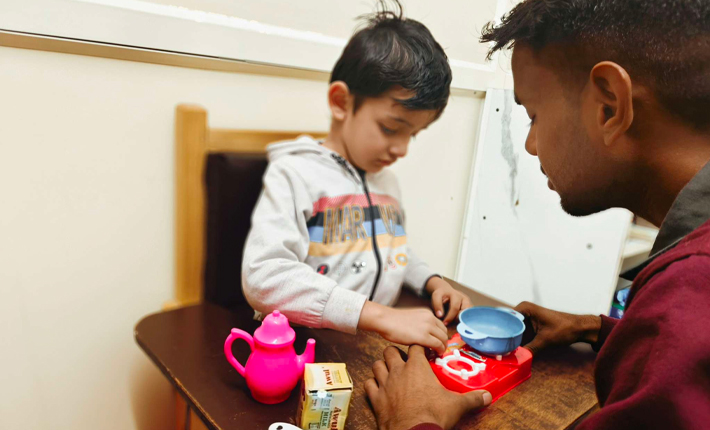
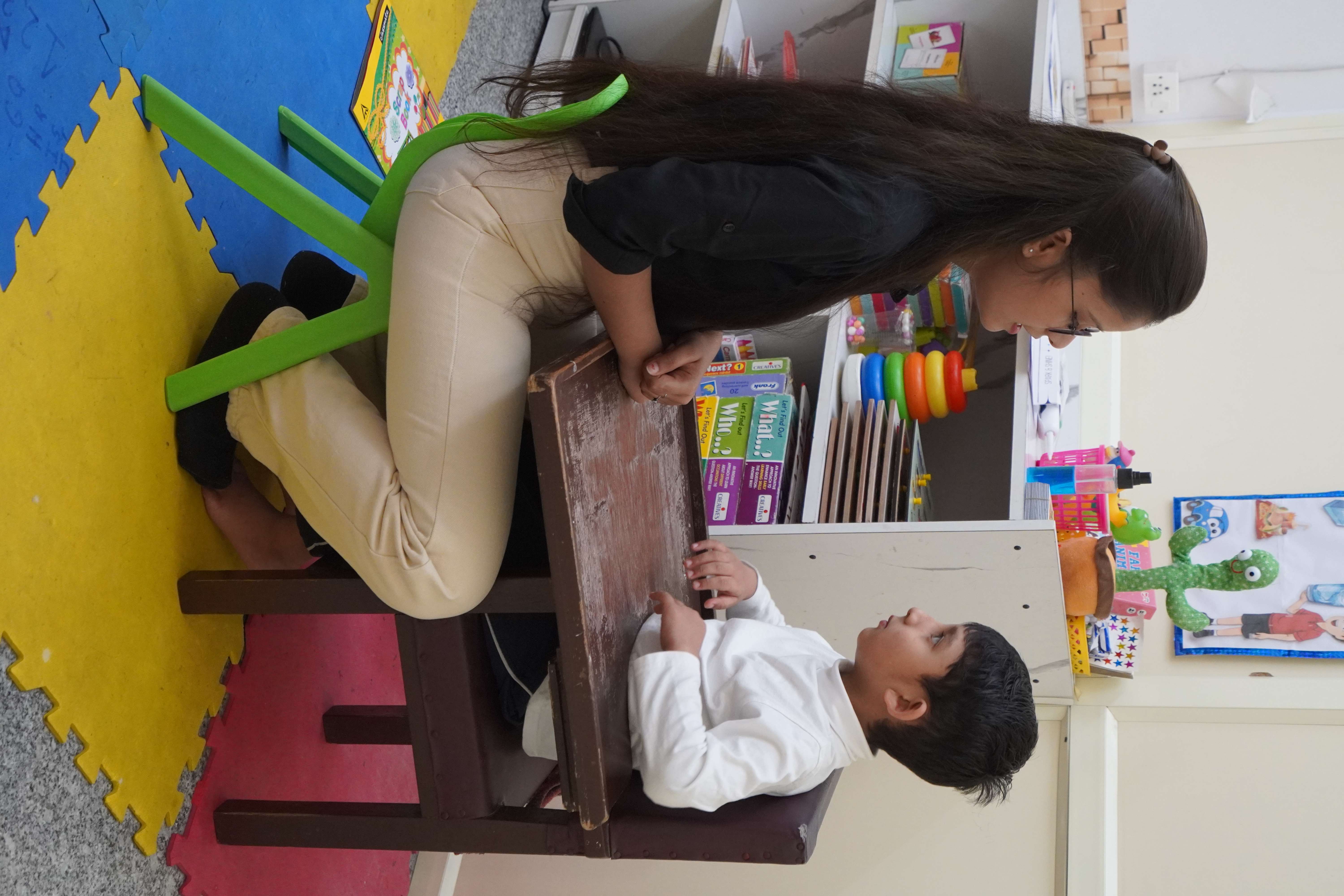
Play Therapy is a therapeutic approach that helps children express their emotions, develop problem-solving skills, and process difficult experiences through play. It provides a safe and supportive environment where children use toys, art, and games to communicate their thoughts and feelings. Play therapy is especially beneficial for children facing trauma, anxiety, behavioral challenges, or social difficulties. Therapists observe and engage with children in play to understand their emotions and guide them toward healthy coping strategies. This approach encourages emotional resilience, builds self-confidence, and enhances communication skills, making it an effective intervention for emotional and psychological growth in children.
Service Delivery and Implementation
The IEP outlines how and where the child will receive special education services. Depending on the child’s needs, services may be provided in various settings, including:
Inclusion Classroom:
The child remains in the general education classroom with their peers but receives additional support, such as a special education teacher, teaching assistant, or adaptive tools.
Resource Room:
The child spends part of the day in a specialized classroom where they receive focused instruction in specific subjects like reading or math.
Self-Contained Classroom:
For children with more significant needs, this setting provides specialized instruction in a smaller, structured environment, separate from the general education classroom.
Specialized Schools:
In some cases, children may attend schools specifically designed to address particular disabilities or needs.
How is it Done?
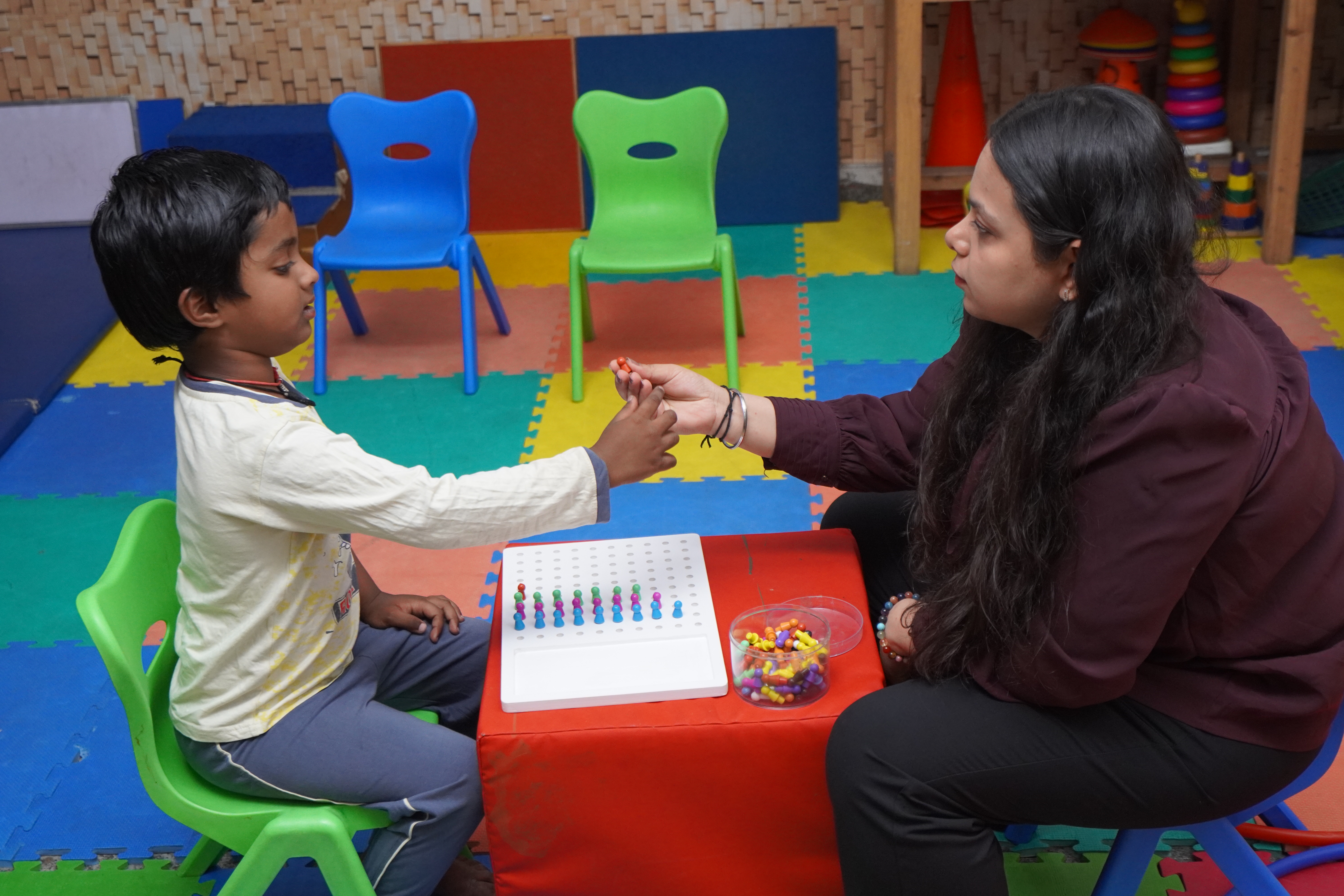
Speech and Language Therapy is a highly individualized process that begins with a thorough assessment of the child's communication abilities. A Speech-Language Pathologist (SLP) typically conducts the assessment, which may include:
Parent/Caregiver Interviews:
Input from parents and caregivers provides valuable insights into the child’s communication skills in everyday settings.
Observation Periods:
The SLP observes the child in different situations, such as playing or interacting with others, to identify communication challenges.
Standardized Tests:
These tests measure various aspects of speech and language, such as vocabulary, comprehension, articulation, and fluency.
Who Can Benefit from It?
Children who struggle with daily activities such as dressing, writing, or playing, and those with developmental delays.
Throughout the therapy process, the Occupational Therapist continuously monitors the child's progress, adjusting the treatment plan as needed to ensure that the therapy is effective and aligned with the child’s evolving needs and goals. The therapist also provides parents and caregivers with strategies and activities to practice at home, ensuring the child receives consistent support in their developmental journey.
Book An Appointment
Donate us to achive our goal
Beguiled and demoralized by the charms of pleasure of the moment, so by desire,
that they cannot foresee.
that they cannot foresee.