
Special Education
Special Education
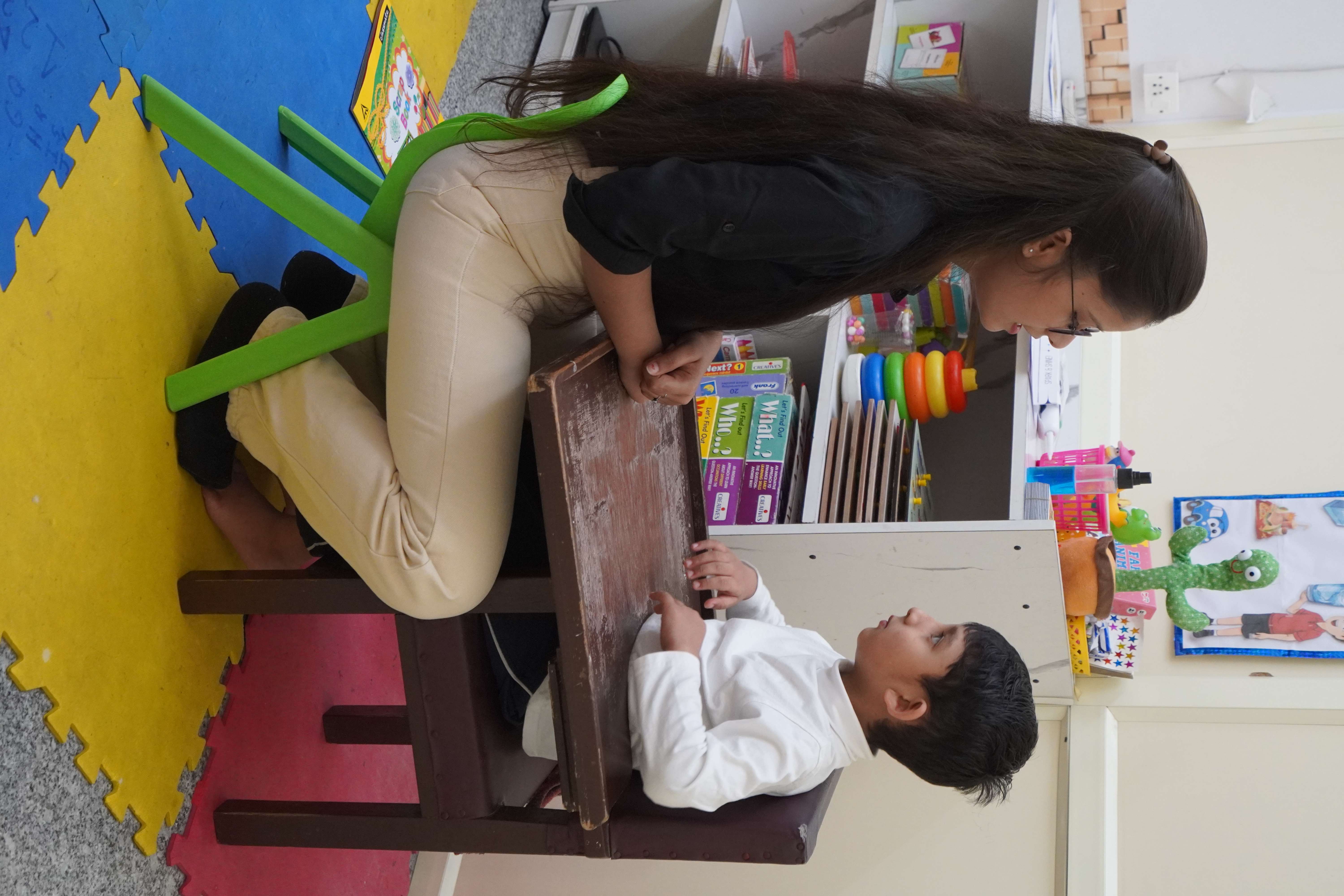
Autism Spectrum Disorder (ASD) is a multifaceted neurodevelopmental condition impacting communication, social interactions, and behaviors. While every individual with autism is unique, many benefit greatly from specialized educational support. Special education plays a pivotal role in helping individuals with autism reach their full potential. Special Education is designed to address the unique needs of individuals with disabilities, including autism. It provides tailored support and instruction to help them overcome challenges and achieve their goals.
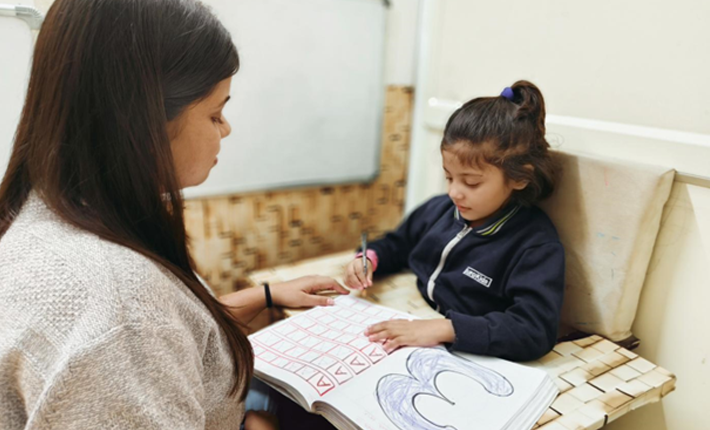
Service Delivery and Implementation
The IEP outlines how and where the child will receive special education services. Depending on the child’s needs, services may be provided in various settings, including:
Inclusion Classroom:
The child remains in the general education classroom with their peers but receives additional support, such as a special education teacher, teaching assistant, or adaptive tools.
Resource Room:
The child spends part of the day in a specialized classroom where they receive focused instruction in specific subjects like reading or math.
Self-Contained Classroom:
For children with more significant needs, this setting provides specialized instruction in a smaller, structured environment, separate from the general education classroom.
Specialized Schools:
In some cases, children may attend schools specifically designed to address particular disabilities or needs.
Collaboration and Support:
Parent Involvement:
Parents are integral to the special education process. They provide insights into their child’s strengths, challenges, and progress outside of school and advocate for their child’s needs within the education system.
Teacher Collaboration:
Special education teachers often work closely with general education teachers to modify the curriculum, adapt teaching strategies, and ensure that the child can participate meaningfully in the classroom.
Therapeutic Support:
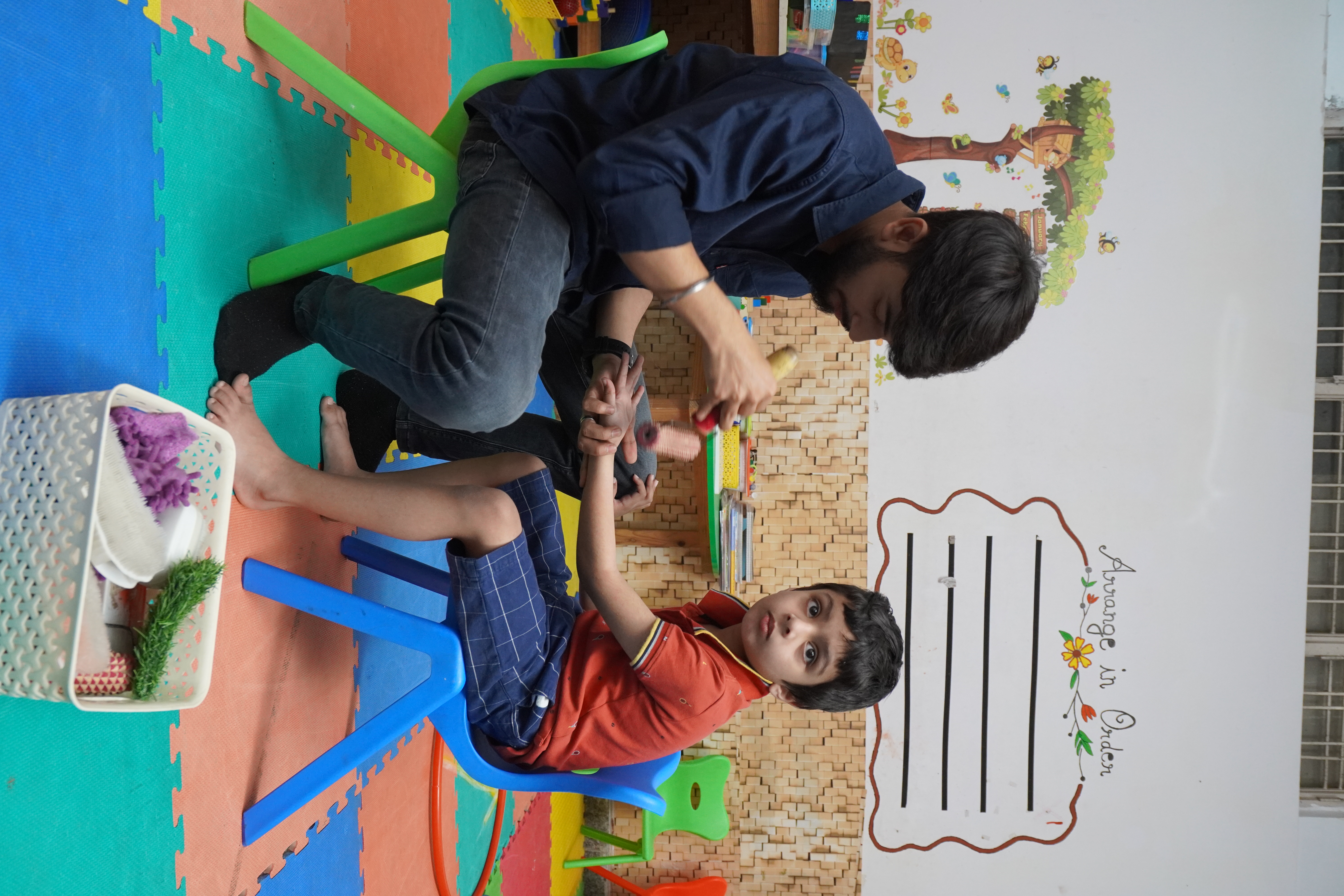
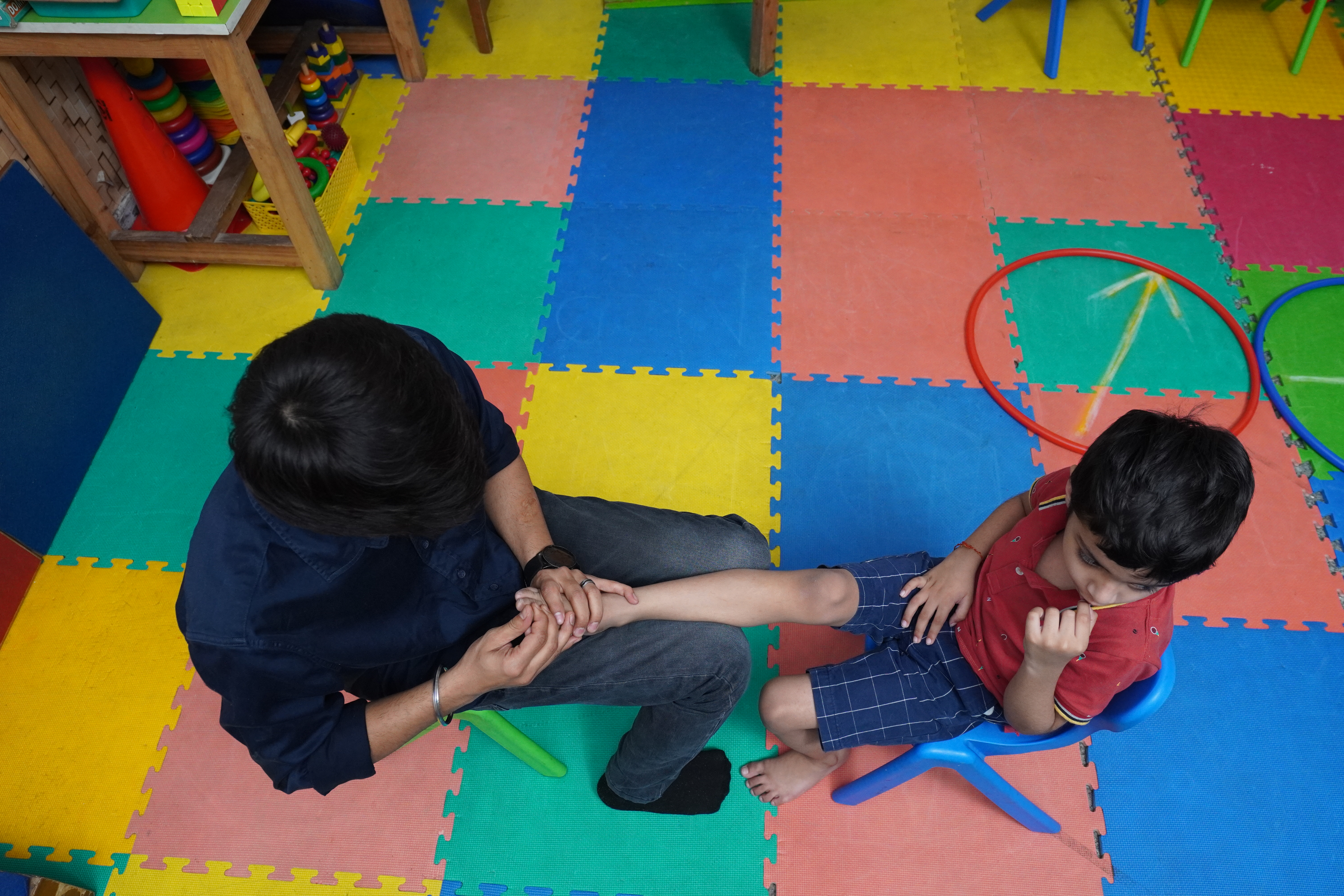
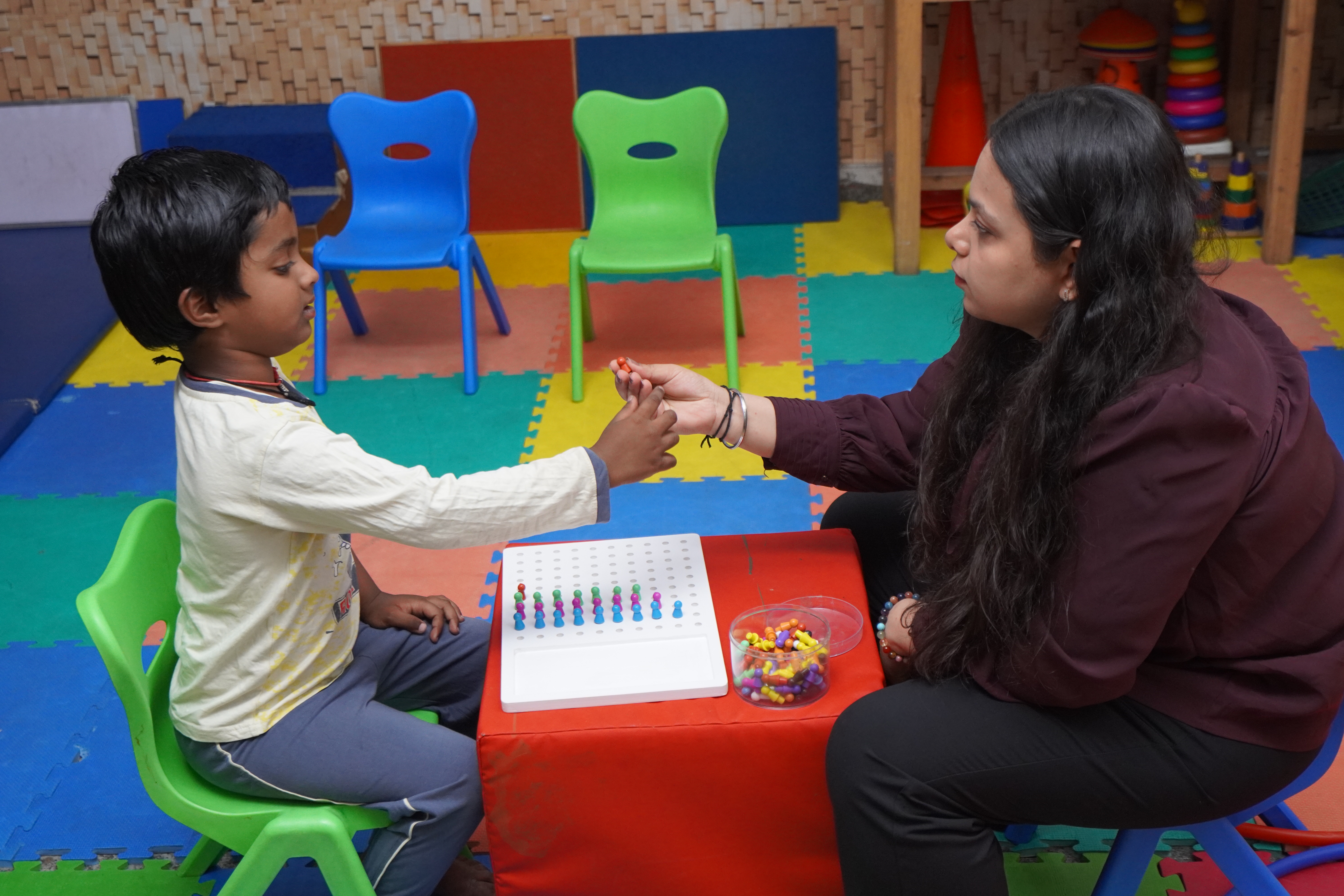
Therapists such as speech-language pathologists, occupational therapists, and counselors work with the child during the school day to address specific challenges, like communication, motor skills, or emotional regulation.
Special Education is not a one-size-fits-all approach; it is a dynamic, evolving process that adapts to the changing needs of the child. The ultimate aim is to provide every child with the tools and opportunities they need to achieve their personal best and lead a fulfilling life.
Book An Appointment
Donate us to achive our goal
Beguiled and demoralized by the charms of pleasure of the moment, so by desire,
that they cannot foresee.
that they cannot foresee.